
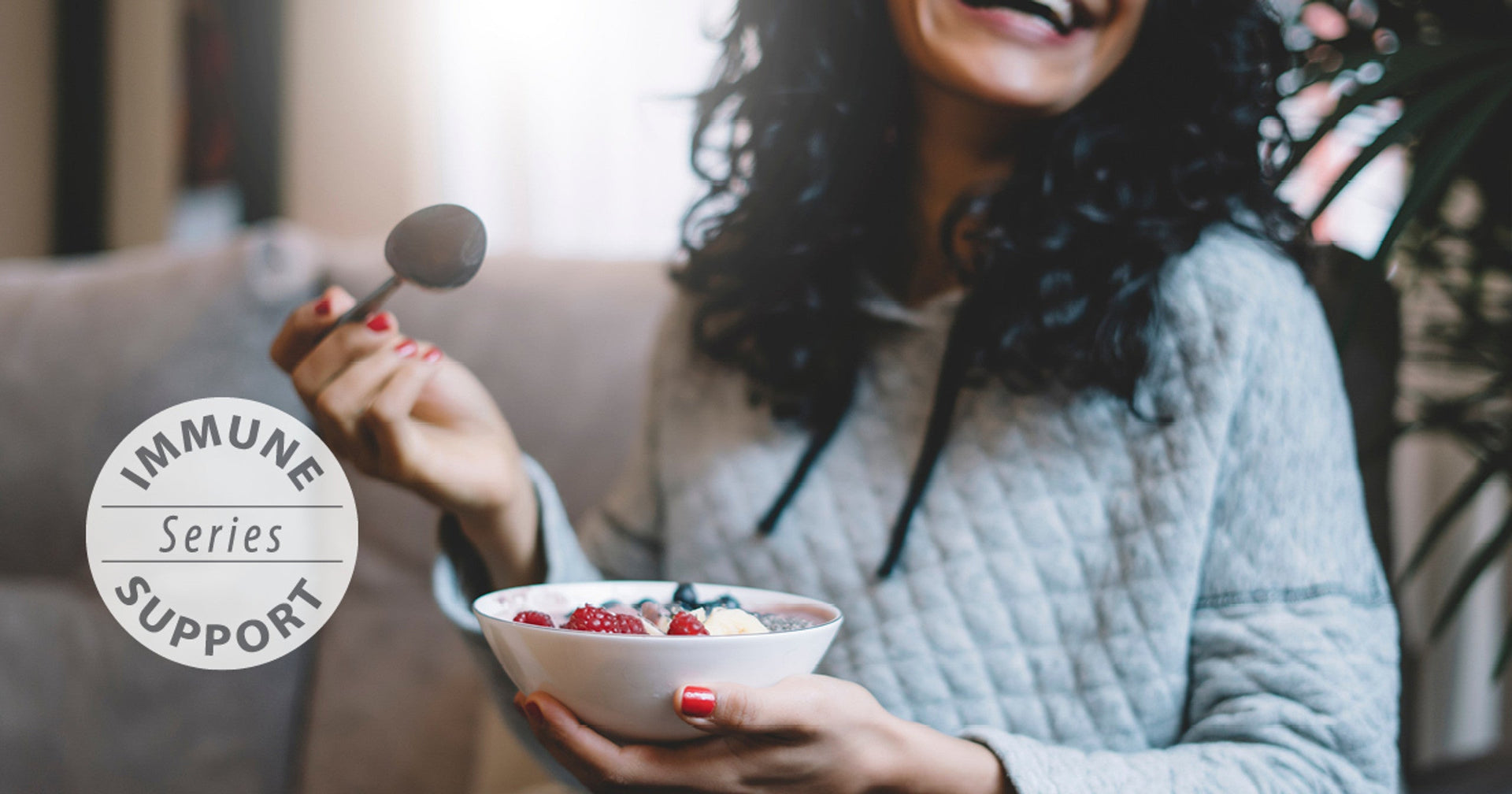

Stress is an everyday part of modern living, but with the current situation stress is at an all-time high. Our health, unemployment rates, the economy, and financial struggles are just a few things topping our list of worries. Isolation and being confined indoors can also lead to stress… and sometimes stress eating. Below are some foods to avoid and others that will help promote a healthy mood.
Stress can affect our memory, concentration, sleep, weight, ability to heal, and hormonal imbalances, and can accelerate the aging process. In our brain, the hypothalamus signals the pituitary, which increases its production of ACTH (adrenocorticotropic hormone). The ACTH signals the adrenals to release the stress hormone, cortisol. Then saliva flow decreases, heart rate and blood pressure increase, digestive enzyme output decreases, and blood sugar rises to fuel the cells.
Cortisol affects insulin and digestion, inhibits white blood cells, and suppresses the immune system. Due to constant stressors, the body continuously cycles through high inflammation, which can damage the gut lining. This along with a suppressed immune system leaves our gut vulnerable to the overgrowth of pathogens. A shortage of good bacteria and an excess of yeast/bad bacteria can cause us to experience more stress. Why? Because 95% of serotonin, our “feel good hormone,” is produced in the gut. Serotonin production slows down when battling gut pathogens. More yeast and bad bacteria in the gut can drive sugar cravings. It’s a vicious circle!
Foods to Avoid When Stressed
When we’re stressed, we typically don’t choose healthy foods, which would help replenish the nutrients our body needs. Instead, we turn to caffeine, sugar, fast food, and salty foods when we should be choosing protein, fruits, veggies, fermented foods, and a little dark chocolate.
Foods That Support Mood Health
Fermented foods contain probiotics, which increase the healthy bacteria in our gut. Studies have shown probiotics to reduce stress hormones (like cortisol) and increase production of GABA. Foods that contain probiotics include yogurt; kefir; and fermented vegetables like sauerkraut, miso, tempeh, kimchi, and kombucha.
A 2010 study published in the American Journal of Psychiatry found that a healthy diet of vegetables, fruit, meat, fish, and whole grains promoted a healthy mood. A “Western" diet of processed or fried foods, refined grains, and sugary products was associated with mood issues.
Protein helps to stabilize blood sugar, which helps reduce mood swings and fatigue. Protein also provides amino acids, which are the building blocks for NTs (neurotransmitters). The amino acid L-tryptophan converts into the NT serotonin, which aids in mood elevation, primarily in the brain. 5-HTP (5-hydroxytrytophan) is a chemical our body makes from tryptophan, and it can assist with carb cravings. Tryptophan-rich foods include various seeds (pumpkin, sunflower, sesame), almonds, chicken, turkey, cheese, red meat, fish, eggs, and beans.
Dark chocolate has been found to have some amazing health benefits. Recently there was a study conducted by researchers from the University of Bern in Switzerland. It showed that the consumption of dark chocolate reduces the effects of the stress hormones adrenaline and cortisol.
Stress has emotional, physical, and chemical effects on our bodies. We can find healthier ways to manage stress, and healthier food options to choose from. Lifestyle changes with nutritious foods, supplements, and stress management techniques are the best ways to get us through these tough times.