


Maintaining optimal health as a woman involves more than just regular exercise and balanced meals; it requires an understanding of the unique nutritional needs at different stages of life. Whether you're navigating adolescence, preparing for pregnancy, or managing menopause, the right nutrients can make a significant difference in your overall well-being. In this post, we'll explore the top 10 vital nutrients that are essential for women's health and wellbeing.
Multivitamin with B-Complex or Prenatal Multi
A comprehensive multivitamin is a great foundation for ensuring you receive all the necessary vitamins and minerals daily. Specifically, B-complex vitamins play a crucial role in maintaining energy levels and mental clarity. For women expecting or planning to conceive, prenatal multivitamins are tailored to support fetal development and maternal health by providing higher amounts of folic acid, iron, and other key nutrients.
Benefits:
- Energy Boost: B-complex vitamins help convert food into energy
- Mental Clarity: Supports brain function and reduces stress
- Prenatal Support: Essential for healthy fetal development
Omega-3s EPA, DPA, and DHA
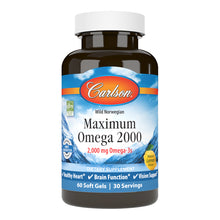
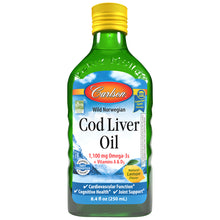
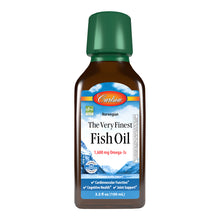
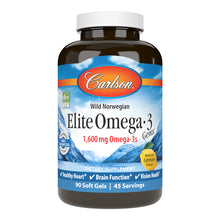
Omega-3 fatty acids, specifically EPA (eicosapentaenoic acid), DPA (docosapentaenoic acid), and DHA (docosahexaenoic acid), are critical for heart health and cognitive function. These fatty acids support heart, brain, vision, joint, immune, and whole-body health, and also help to ensure a healthy pregnancy and support optimal fetal development.
Sources:
- Fish Oil: Salmon, mackerel, anchovies, sardines, and herring
- Plant-Based Options: Algae
Recommended Daily Intake:
Aim for at least 1,500-2,000 mg combined EPA and DHA per day, making sure during pregnancy to get 1,000 mg of DHA. To be sure you are meeting optimal intake levels, aim to test your Omega-3 Index with a home test.
Vitamin D3
Vitamin D3 is essential for bone health, a healthy mood, and immune support. It helps the body absorb calcium efficiently, which is crucial for maintaining strong bones throughout life. Unfortunately, many women suffer from vitamin D deficiency due to limited sun exposure or dietary intake.
Natural Sources:
- Sunlight: Spend time outdoors daily
- Dietary Options: Fatty fish, fortified dairy products, egg yolks.
Addressing Deficiency:
Be sure to test your 25(OH)D levels at least once every year. Home test kits are available at carlsonlabs.com. Consider supplements if you have limited sun exposure or dietary restrictions.
Vitamin K2
Vitamin K2 works synergistically with vitamin D3 to transport calcium into the bones and support overall bone health.
Best Dietary Sources:
- Fermented foods like natto (fermented soybeans).
- Dairy products from grass-fed animals
Calcium
Calcium is indispensable for strong bones and teeth. Women need sufficient calcium, especially later in life, to support healthy bones.
Daily Requirements:
It varies by age, but generally around 1,000 mg/day is ideal for most adults.
Non-Dairy Sources:
- Leafy greens (kale, broccoli)
- Almonds
- Fortified plant-based milk alternatives
Magnesium
Magnesium plays multiple roles in muscle function, nerve signaling, and energy production. A deficiency can lead to symptoms such as fatigue, muscle cramps, and migraines. Magnesium Glycinate is a well-tolerated form. Take it with an evening meal.
Signs of Deficiency:
- Muscle twitches, eye twitches and cramps.
Food Sources:
- Nuts (almonds, cashews)
- Seeds (pumpkin seeds)
- Whole grains (brown rice)
- Leafy green vegetables
Zinc
Zinc is vital for a robust immune system and skin health. It aids in wound healing and supports normal growth during pregnancy.
Dietary Recommendations:
- Meat (beef, pork)
- Shellfish (oysters)
- Legumes (chickpeas)
Vitamin C & Astaxanthin
Both vitamin C and astaxanthin offer powerful antioxidant properties that boost immune defense and combat oxidative stress.
Benefits:
- Enhances skin health by promoting collagen synthesis
Sources:
- Citrus fruits (oranges, lemons) for vitamin C
- Marine sources like algae for astaxanthin
Lutein & Zeaxanthin
These carotenoids are crucial for eye health, protecting against age-related macular degeneration and improving visual performance.
Best Food Sources:
- Green leafy vegetables (spinach, kale)
- Eggs
Berberine
Berberine has gained attention for helping to maintain normal blood glucose levels already within the healthy range and to promote a healthy metabolism. 2,000 mg daily is ideal.
How to Incorporate Berberine:
- Supplements are available in capsule form.


