

Premium Omega-3 Supplements: IFOS-Certified & Sustainably Sourced
Carlson has received a five-star IFOS rating on more than 30 omega-3 fish oils, ensuring verified purity, potency, and freshness. All Carlson omega-3s are tested by an FDA-registered laboratory for freshness, potency, and purity, and are free of detrimental levels of mercury, cadmium, lead, PCBs and 28 other contaminants.
-
 Heart health
The Very Finest Fish Oil™
-
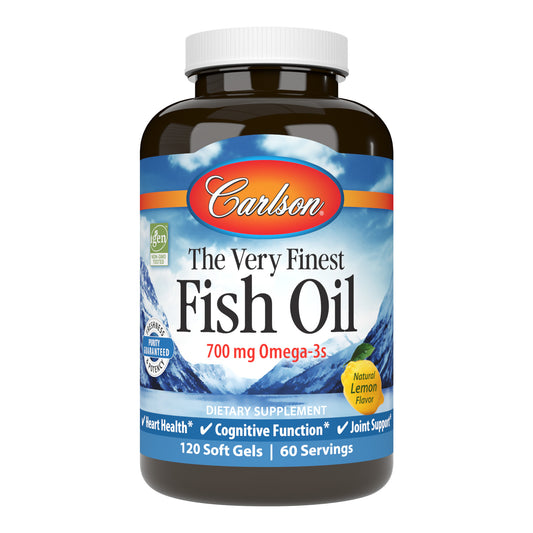 Heart health
The Very Finest Fish Oil
-
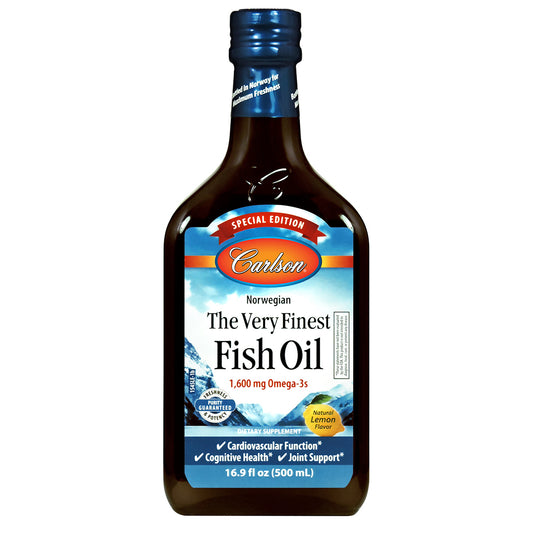 Heart health
The Very Finest Fish Oil Special Edition
-
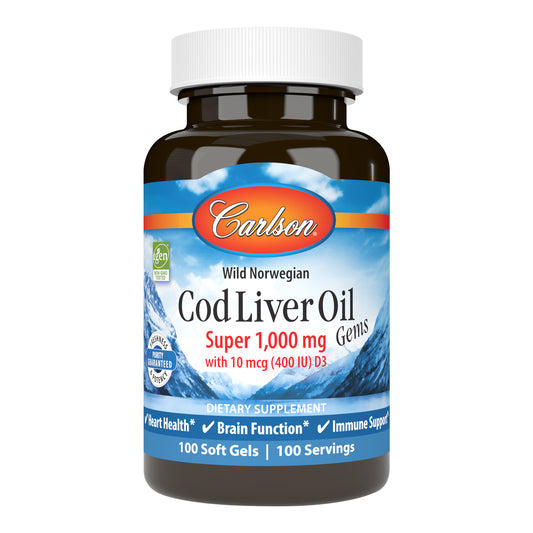 Heart health
Cod Liver Oil Gems, Super 1,000 mg

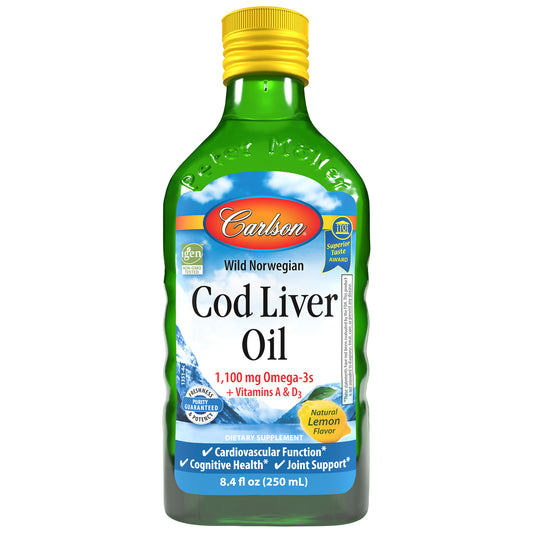


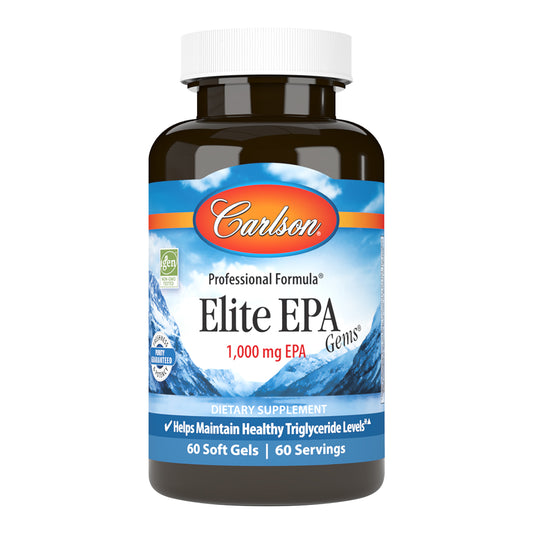

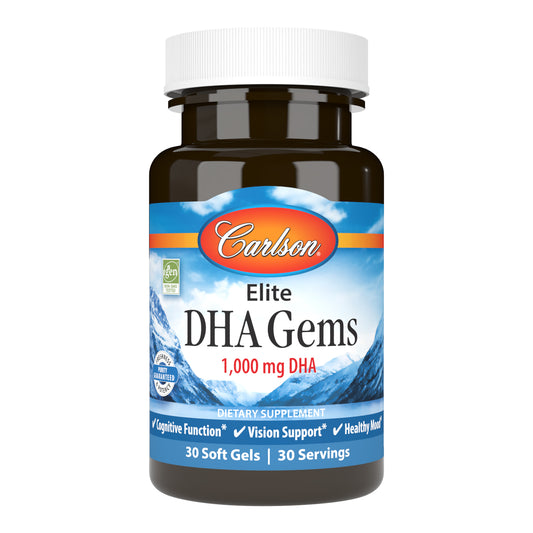

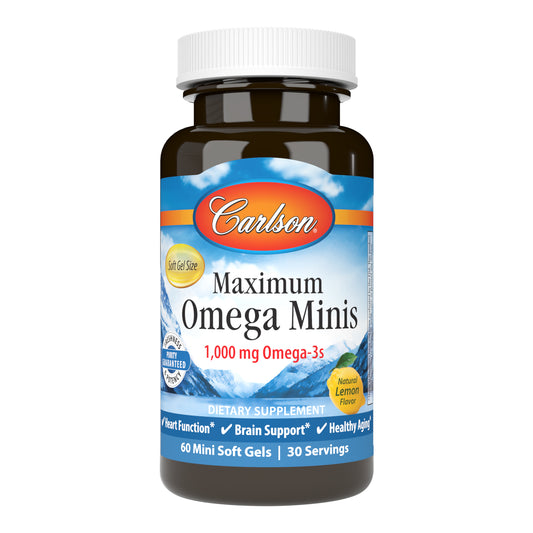
Frequently Asked Questions About Carlson Omega-3 Supplements
Most health organizations recommend 250-500mg of combined EPA and DHA daily for general health maintenance. The American Heart Association recommends 1,000 mg of combined EPA and DHA daily for those with coronary heart disease, while those with high triglycerides need 2,000-4,000 mg daily. Carlson offers omega-3 supplements ranging from 300mg to 2,000mg per serving, allowing you to choose the right potency for your health goals. Always consult your healthcare provider for personalized recommendations.
Carlson has received a five-star rating on more than 30 of our omega-3 fish oils from the International Fish Oil Standards (IFOS) program, the only third-party testing and certification program exclusively for fish oil supplements. All Carlson omega-3s are tested by an FDA-registered laboratory for freshness, potency, and purity, and are free of detrimental levels of mercury, cadmium, lead, PCBs and 28 other contaminants. Carlson opened Carlson Healthy Oils, a state-of-the-art bottling facility in Søvik, Norway, located near one of the busiest fishing harbors in the north Atlantic, where omega-3s are purified without chemicals.
Yes. Carlson and our suppliers hold Friend of the Sea (FOS) certification, a non-profit, non-governmental organization whose mission is marine habitat conservation. We use low-impact fisheries with ethical practices and sustainable methods, and the fish we use are quickly and easily replenished due to the natural fish lifecycle. For every Carlson product purchased, Carlson removes the same amount of plastic from our seas, plus all Carlson supplement bottles are recyclable.
Fish species used in Carlson omega-3 products include Arctic cod, Atlantic salmon, sardines, anchovies, mackerel, tuna (in high-DHA fish oils only), and various species of squid. All fish are sourced from deep, cold-water environments using traditional, sustainable fishing methods.
The most beneficial omega-3s are EPA (eicosapentaenoic acid) and DHA (docosahexaenoic acid). EPA primarily supports cardiovascular and anti-inflammatory health, while DHA is crucial for brain function, vision, and cognitive development. Omega-3s are considered "essential" because our body can't make them, so we must obtain them through our diet. Most Carlson omega-3 supplements provide both EPA and DHA in varying ratios depending on the product.
International Fish Oil Standards (IFOS) is the only third-party testing and certification program exclusively for fish oil supplements, testing the purity, potency, and freshness of fish oils. A 5-star rating is the highest certification available, confirming the product exceeds international standards for quality. Carlson has received a five-star rating on more than 30 of our omega-3 fish oils.
Fish oils are commonly available in four forms: TG (Natural Triglyceride), EE (Ethyl Ester), rTG (Re-Esterified Triglyceride), and PL (Phospholipid), and EPA and DHA blood levels can be easily raised to an optimal amount when taken daily. Carlson offers products in multiple forms depending on the specific supplement. Carlson also uses a mixture of TG form and the more potent EE form, creating a high-quality marine oil combination. Product labels clearly indicate which form is used.
All Carlson omega-3s are tested by an FDA-registered laboratory for freshness, potency, and purity, and are free of detrimental levels of mercury, cadmium, lead, PCBs and 28 other contaminants. Carlson liquid fish oils are bottled with a touch of antioxidants and are given a nitrogen flush to remove air, prevent oxidation, and ensure long-lasting freshness. Additionally, Carlson has received a five-star rating on over 28 of our fish oils from IFOS, confirming third-party verified quality.
Yes. Since most of us don't eat a lot of fish, a supplement may be a great option. Unless you're eating about two servings (8 ounces or 224 grams) of oily fish each week, you may be deficient in EPA and DHA. Carlson omega-3 supplements provide a reliable source of EPA and DHA without requiring regular fish consumption.
Omega-3 supplements are meant to be taken long term for the benefits associated with an Omega-3 Index of 8-12%, and an appropriate dose of any form can achieve this goal. Most research shows benefits emerge after consistent daily supplementation for 8-12 weeks, though individual results vary based on baseline omega-3 levels and dosage.
Omega-3 Dosage Guide by Health Goal
| Health Goal | Recommended Daily Intake | Source |
|---|---|---|
| General health maintenance | 250-500mg combined EPA + DHA | Most major health organizations |
| Coronary heart disease | 1,000mg combined EPA + DHA | American Heart Association |
| High triglycerides | 2,000-4,000mg combined EPA + DHA | AHA / clinical guidelines |
| Brain health and cognitive support | At least 200mg DHA daily | European Food Safety Authority |
| Pregnancy / fetal development | 200mg DHA daily (above general intake) | WHO / EFSA guidelines |
Carlson Omega-3 Product Comparison
| Product | EPA + DHA Per Serving | Form | Best For |
|---|---|---|---|
| Super Omega-3 Gems | 600mg | Softgel | Daily maintenance |
| Elite Omega-3 Gems | 1,600mg | Softgel | Professional strength |
| Maximum Omega 2000 | 1,750mg | Softgel | High-potency support |
| The Very Finest Fish Oil | 1,600mg | Liquid | Those who prefer liquid form |
| Cod Liver Oil | 500mg + Vitamins A and D | Liquid | Immune and bone health |