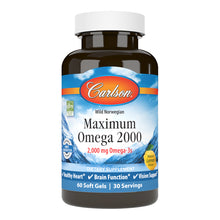
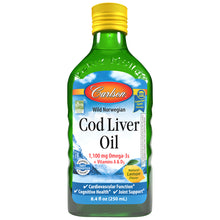

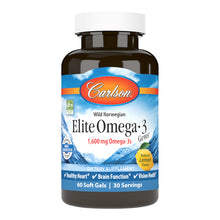


Navigating the world of omega-3s can be quite confusing as the market presents a myriad of omega-3 supplement options. This diversity encompasses a range of formulations including fish oil concentrations, forms (liquids or soft gels) and various sources (fish, algae). Consumers are often inundated with choices that vary not only in source, form, and concentration, but also with ratios of EPA (eicosapentaenoic acid) to DHA (docosahexaenoic acid) and DPA (docosapentaenoic acid). When selecting an omega-3 supplement, it is critical to consider several additional factors such as individual health goals and dietary restrictions.
The Health Benefits of Omega-3s
Since omega-3s cannot be synthesized endogenously in sufficient quantities, they must be obtained through diet or supplementation. The primary omega-3 fatty acids studied are EPA and DHA. DPA is the third most prevalent omega-3 fatty acid found in fish oil. Emerging research has demonstrated DPA’s benefits with cognition, mental wellbeing, and heart health. DHA is a structural component of the eyes, brain, and nervous system.
Unfortunately, there are many places around the world that have been found to consume exceptionally low amounts of omega-3s, and the USA is one of them. The AHA (American Heart Association) recommends we eat at least two 3.5-ounce servings of oily fish per week; however, since most of us don't eat the suggested amount, a fish oil supplement is a great option.
The Recommended Daily Intake for Omega-3s
Optimal dosages of omega-3s can differ based on individual factors including age, health status, and lifestyle habits. The AHA (American Heart Association) recommends for general cardiovascular health 1,000 mg of combined EPA and DHA. To help maintain healthy triglyceride levels already within the normal range, they recommend about 2,000 to 4,000 mg of combined EPA and DHA, depending on one's current Omega-3 Index status.
For supporting a healthy pregnancy and reduction of preterm births, a 700-1,000 mg of DHA plus EPA formula has been advised in recent studies. To assist an enhanced sense of calm and wellbeing, 2,000 mg of combined EPA and DHA, with less than 60% of the product being EPA is suggested. To help maintain healthy cognitive function, at least 1,000 mg of DHA and some EPA is advised.
The Ideal Omega-3 Index Score
To achieve an optimal Omega-3 Index, an average intake of 2,000 mg of combined EPA and DHA is proposed. The Omega-3 Index test gives a percentage of the amount of EPA and DHA in our red blood cell membranes, and the desirable range for better overall health based off research is 8-12%. In children the target is 6%. As part of a healthy lifestyle, an Omega-3 Index in this range has been seen to promote heart, brain, vision, joint, immune, and overall health.
More recent information from GOED (Global Organization of EPA and DHA) indicates that the US average index has moved up from less than 4% to 4-6%. Omegaquant, the company that makes the omega-3 test kit, states that, “This recommendation is meant to be a guide for how much EPA and DHA we may need in our diet to reach our Omega-3 Index target. The test kit is an at-home test that requires a simple finger stick, which draws a drop of blood. Results will be provided within a couple of weeks, and if the levels are low, they recommend using their Omega-3 Index Calculator to “find out your personalized EPA and DHA recommendation to raise your level to the desirable range given your current Omega-3 Index level.” This will help determine how many milligrams of omega-3s we need, so we can select the right product.
Omega-3 Plant-Based Alternatives
Fish oil has traditionally been the foremost source of omega-3s due to its high content of EPA and DHA; however, plant-based alternatives derived from algae have gained popularity particularly among vegetarians, vegans, and individuals with fish allergies. EPA and DHA have been traditionally associated with animal sources; however, more recent advancements and technologies have allowed for sourcing of plant-based algal derived supplements. These are all available in soft gels, mini soft gels, and delicious natural flavored liquids. Be certain to make sure the omega-3s you purchase are third-party tested for purity, potency, and freshness.
Traversing the world of omega-3s requires careful consideration of numerous aspects pertaining to personal health objectives and ethical considerations. By meticulously analyzing sources and forms, assessing quality standards, understanding dosage requirements, and consulting with a professional, consumers can make informed decisions regarding their omega-3 intake for optimal health outcomes.