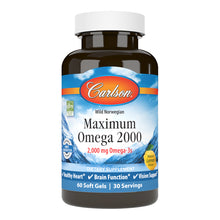
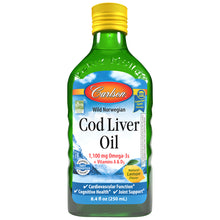
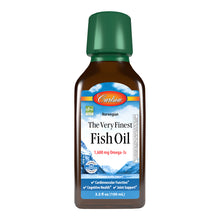
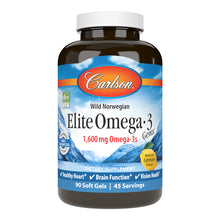


Another nutritionist who has been a lifelong friend of mine has a funny quip about medical myths. She says, “The definition of a medical myth is something that was never true, and always will be.” That comes to mind when I think about fish oil myths.
Omega-3 Fish Oil Misconceptions
I am often amused by people’s
reactions when I offer them a sample of fish oil. I have had adults run away
from me, like a kid being offered a big bite of cabbage. Wide eyes, a wrinkled nose,
head shaking side to side, saying uh, uh, no way!
This is almost always due to
preconceived expectations about the smell or taste of fish oil. Sometimes it brings
back a memory of a childhood spoonful of fish oil, which was produced before
technology made fresh tasting fish oil possible.
Fifty years ago, fish oils tasted
pretty awful. But today, high-quality fish oils should never taste fishy or
smell bad. Especially if you are buying the very best. Carlson fish oils are
purified and bottled right at the source – at our facility in Norway.
They are stabilized with
antioxidants and are given a nitrogen flush to remove oxygen and to help prevent
oxidation. They taste fresh, never fishy and are available in delicious lemon
or orange flavors. They are so pleasant, that they can even be served over
salads or popcorn, or in smoothies.
A second myth or misconception is
that fish oils increase the risk of adverse bleeding events and cannot be used
by people who might be on medication. This is simply not true. Fish oils do not
thin the blood. They support healthy clotting so wounds can heal.
Finally, some people are concerned
that the production of fish oils is resulting in a disruption to the
environment of the oceans by overfishing vulnerable species of fish. This is an
issue that is carefully reviewed by the World Health Organization’s Food and
Agriculture Organization who oversees the management of fisheries to ensure
sustainability of this extremely important resource going forward.
Careful management means there will always be plenty of fish in our seas. The Food and Agriculture Organization Director has this to say: “Since 1961, the annual global growth in fish consumption has been twice as high as population growth, demonstrating that the fisheries and aquaculture sector is crucial in meeting FAO’s goal of a world without hunger and malnutrition.”