


Ask people to define sports nutrition, and in most cases the answer will begin with protein shakes and shift to muscle building ingredients like creatine.
Important Fitness Supplements for Working Out
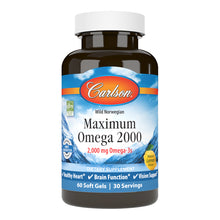
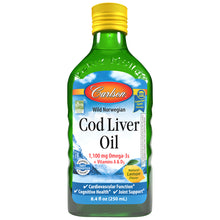
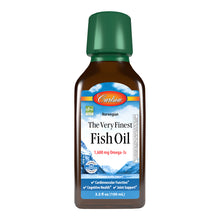
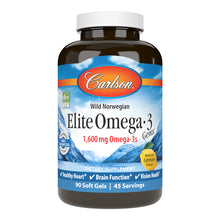
At the top of every athlete’s list should be the omega-3s EPA (eicosapentaenoic acid) and DHA (docosahexaenoic acid) because they support every benefit of exercise and make an athlete’s body more efficient.
Omega-3s increase oxygen delivery to the heart muscle, so it doesn’t have to work as hard during exercise. There is also increased generation of the superoxide radical in the muscle mitochondria when working out, and there is trauma to the muscles. EPA and DHA, found in fish and high-quality fish oil supplements, counteract these effects.
Ideally the background diet should be balanced in omega-6 and omega-3 fats by lowering omega-6–rich oils such as corn oil, sunflower, safflower, cottonseed, and soybean oils, and cooking with olive oil instead. Changes and improvements in the background diet and an additional 2,000 mg of EPA and DHA will promote joint and muscle health following strenuous exercise.
After omega-3s, consider MCTs (medium-chain triglycerides). MCTs are fats too, that are found in foods like coconut oil. In comparison, the fats in our diet are longer chain fats. (The “chain” refers to the number of carbon atoms in the molecular structure of a fat.)
For athletes, MCTs are fast-acting fuel. They speed through digestion differently than other fats due to their shorter length. MCTs easily enter our cells after consumption and give us an energy boost during and after exercise. As an added benefit, MCTs support healthy fat metabolism and may reduce the need for carbs during exercise.
Ribose is another nutrient that’s important for everyone, but especially athletes. Ribose is needed for healthy energy production. Mitochondria use ribose to produce ATP (adenosine triphosphate), the fuel for all of our cells. When we perform intense bouts of exercise, we deplete our stores of ribose, so a supplement can replenish our supply, improving the energy stores in our muscles. Ribose is important during and after exercise.
Arginine is also helpful for anyone who exercises. Arginine is used by the body to produce nitric oxide. Nitric oxide expands and relaxes the blood vessels, which improves blood flow. Arginine also increases the amount of time it takes for muscles to become exhausted, allowing the athlete to exercise longer.
Tart Cherry is helpful for reducing sore muscles in people who do extended periods of intense exercise, such as marathon runners, cross country skiers, or those who compete in triathlons. Tart cherry reduces the recovery time after endurance events. Tart cherry also supports healthy joints.
Finally, vitamin D3 is a good idea for everyone, but it is particularly important for those who love to work out. The muscles need calcium to support muscle tone, and the joints need calcium to support strong bones. Vitamin D3 directs calcium to the bone matrix.
For a full list of fitness supplements, click here.


