

For years, we’ve been told that fat is bad, eating full-fat foods will lead to weight gain, and if you want to lose weight, you have to go low-fat or fat-free. And now, years later, we still have a weight problem in America. The reality is, when fat is reduced or removed, foods lose their flavor. But manufacturers of low-fat foods want to be able to sell them, so in order to improve flavor, they use salt, sugar, and artificial flavors.
The Truth About "Low Fat"
Eating low-fat foods and consuming too much sugar on a regular basis can lead to weight gain. When we eat sugar, including carbohydrates that break down into sugar, our body produces insulin to store the sugar in our fat cells. Our body burns this sugar for fuel before it turns to fat. Therefore, the fat is immobilized, while the sugar takes front stage.
There are unhealthy fats that we do need to avoid, including hydrogenated and partially hydrogenated oils of all kinds. These unhealthy fats are found in margarine, fried foods, some coffee creamers, and some baked goods (to name a few). Hydrogenated fats are unhealthy for our hearts. They can lower HDL and raise LDL. Here’s how to remember which is the “good” and “bad” cholesterol: HDL is Highly Desirable, while LDL is Least Desirable. Our body needs both, but in different amounts.
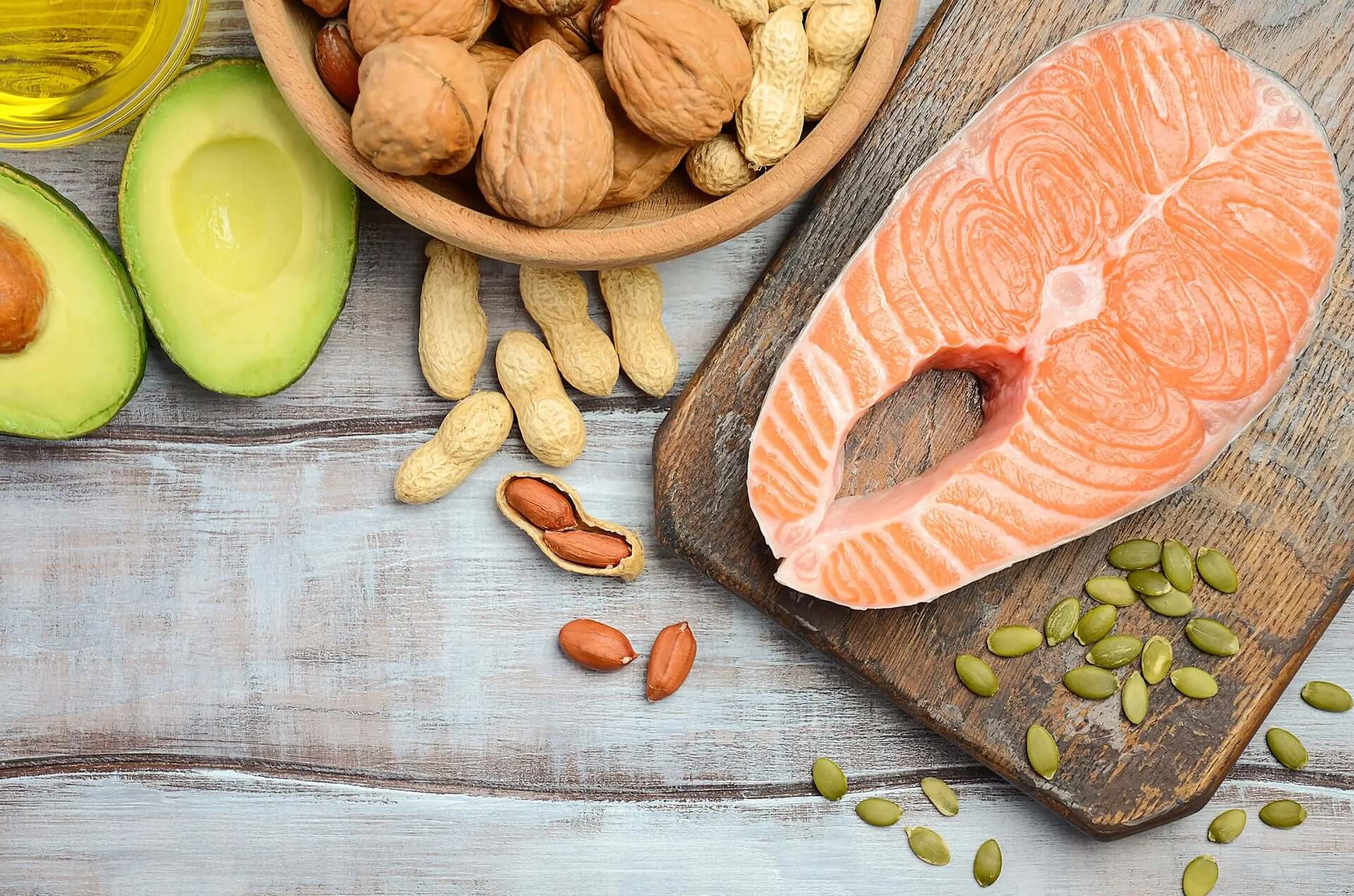
Eating full-fat whole foods are more satiating and satisfying than foods with excess sugar and artificial flavors. Chia seeds, flaxseeds, and hemp seeds are high in omega-3 fatty acids and can be added into smoothies, stirred into yogurt, or sprinkled on salads. Salmon has a whopping 2,151 mg of omega-3s in just 3 oz. And let’s not forget about avocado, a cholesterol-free food. Over 75% of its fat is unsaturated. Nuts also contain healthy fat, protein, and fiber. They are a great snack and consist of mostly monounsaturated fat, a heart healthy fat.
When you starting introducing health fats back into your diet, you may feel less deprived and not be tempted to overeat or reach for junk food. And reducing your sugar intake can also help with maintaining a healthy weight.

Featured Articles


