
Setting healthy diet goals for the new year is an excellent way to combine your nutrition with exercise and overall well-being objectives. The following are some easy tips to get you started on achieving your goals.
- Define clear goals. They need to be specific, measurable, achievable, relevant and time bound. (SMART)
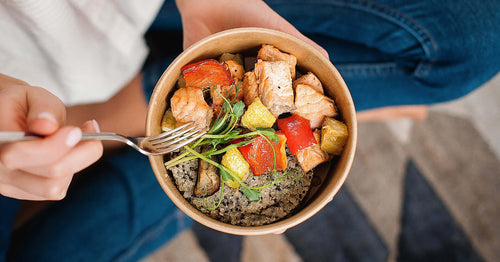
- Focus on balanced nutrition. Balancing carbs, protein and fats can lead to a balance in nutrients and promote overall health. Leaning too heavily on one macronutrient can lead to nutritional deficiencies. Focusing also on micronutrients that can add to your nutritional bank. Incorporate foods that are rich in vitamins and minerals like leafy greens, nuts, seeds, dark colored fruits and vegetables.
- Access your current diet by tracking your food intake. Write down or track on a food app what you eat and drink, how much and at what time. Make a note of how you feel after each meal. By tracking this, you will start to notice your weakness, your triggers and your strengths.
- Meal prep can be a valuable tool. Dedicate a day to prep your food for the week, even if it’s just one meal a day. That meal may be breakfast when you are short on time, when you may either skip it or just grab what’s laying around. Or it could be dinners when you’re tired at the end of the day and don’t feel like cooking.
- Limit processed foods. They are usually loaded with sugar and/or sodium. If you have a sweet tooth, you have options. Smart Sweets, Lily Sweets and Enlighted Desserts are all sugar free and sweetened with stevia or allulose. If salty food is your weakness, go for crunchy healthy snacks like nuts and seeds.
- Practice mindful eating by taking your time and savoring every bite of food. Pay attention when you reach for something to eat. Are you hungry or are you bored? Stopping and asking yourself this can avoid excess calories.
- To support your strength building and endurance goals, protein is important. Include lean meats like poultry, fish, legumes and protein shakes.
- Set a daily water intake target. The rule of thumb is half your body weight in ounces. So, if you weigh 160 lbs, drink 80 ounces of water. This can include carbonated flavored waters that have no added sugar, and non-caffeinated herbal teas.
- Lastly, allow for flexibility. Plan for treats or special occasion meals to prevent feeling deprived. Focus on overall pattern, not perfection.