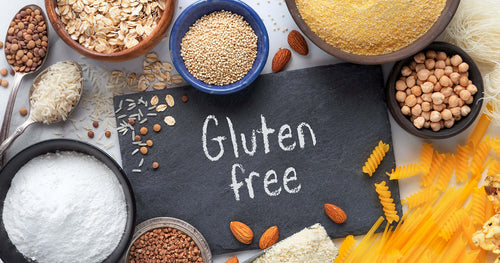

Following a gluten free diet can be challenging but is essential for those with celiac disease or gluten intolerance. However, eliminating gluten from your diet can also result in a deficiency of certain nutrients. Some of those nutrients that need special attention while on a gluten free diet include fiber, iron, calcium, vitamin D and B vitamins. It’s important to plan your meals carefully to ensure you are getting enough of these vital nutrients. Let’s take a closer look.
Fiber-Rich Foods
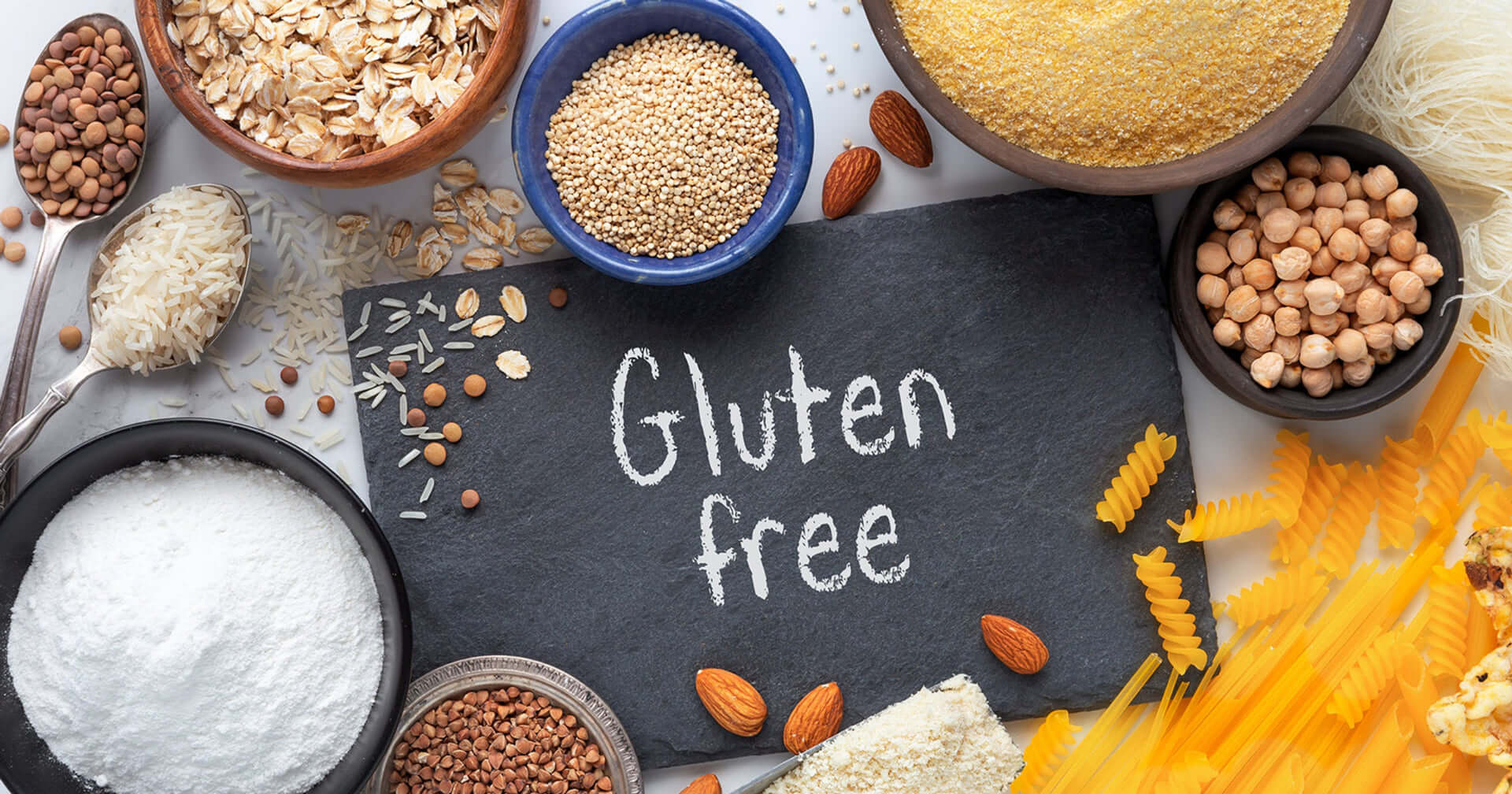
Many gluten-free products are made with refined flours like potato, corn or rice which are lower in fiber. Fiber is essential for digestive health and regular bowel movements. To meet the needs of fiber, include fruits and vegetables with each meal. Some nuts and seeds are high in fiber like chia seeds, flax seeds, almonds, pine nuts and pistachios. Naturally gluten free grains to include are quinoa and buckwheat.
Foods High in Iron
Whole unrefined grains contain a significant amount of iron. A gluten free diet can lead to an iron deficiency which can lead to fatigue and weakness. To meet sufficient iron levels, include foods rich in iron such as poultry, fish, lean meat, beans, dark leafy greens like spinach and kale. Including vitamin C rich foods can increase iron absorption. Citrus foods are high in vitamin C but so are other foods like chili peppers and bell peppers, which pair well with leafy greens.
Items that Contain Calcium
Regular breads and cereals are fortified with calcium, and many gluten-free counterparts are not, which can lead to a deficiency in calcium. To make sure you are meeting daily requirements for calcium consume dairy products or non-dairy fortified alternatives. Dark leafy greens such as dandelion greens and mustard greens are naturally high in calcium.
Getting Enough Vitamin D
Deficiency in vitamin D is common in most but particularly those with celiac disease and those following a gluten free diet. Vitamin D is critical for bone health and the immune system. Natural vitamin D found in foods is scarce. You can get some vitamin D in fatty fish like salmon, mackerel, sardines, anchovies, and tuna. Getting enough vitamin D from food alone may be challenging, so fill in the gap with supplementation and spending time in the sun.
Foods with B Complex Vitamins
A deficiency in B vitamins is common in individuals following a gluten free diet because many gluten containing grains are fortified with them. Natural sources of B vitamins include eggs, leafy greens such as cooked spinach and collard greens and organ meats such as liver.
And in the end, if it’s difficult to fit these foods in your daily diet, supplements can fill in the gap.