

Have you been feeling stressed lately? You are not alone. A poll, Stress in America: January 2021 Stress Snapshot, conducted by The Harris Poll on behalf of the American Psychological Association, found that 84% of adults reported feeling at least one emotion related to prolonged stress. Those include anxiety, sadness, or anger.
Stress and Immune Health
Additionally, two in three adults (67%) said the number of issues America is facing is overwhelming to them. While not surprising, what is worrisome about these numbers is the impact of stress on immunity. At a time when immunity is top of mind, we can hardly afford to let stress be chipping away at our well-being.
How does stress impact the immune response? The immune system is comprised of cells, proteins, organs, and tissues that work together to provide protection against infections and disease. Acute (short-term) stress increases blood levels of pro-inflammatory cytokines. Chronic (long-term) stress is associated with higher levels of pro-inflammatory cytokines, with potentially harmful consequences. Inflammation is a necessary short-term response for eliminating pathogens and initiating healing, but chronic, systemic inflammation disrupts the healthy actions of the immune system.
As people age, they are less able to mount appropriate immune responses to stressors. These could be physical stressors, such as injury, or psychological stressors, such as caregiving. In addition, psychological stress affects us in a manner similar to the effects of chronological age, and chronological aging coupled with chronic stress accelerates immunological aging.
Habits That Support Immune Health
- Start with food. Avoid over-processed foods, and stick with a whole-food, plant-based diet rich in colorful fruits and vegetables, whole grains, beans, nuts, and lean proteins like fish.
- Avoid added sugar and too much salt.
- Keep alcohol and caffeine to a moderate intake.
- Get moving. Exercise erases a multitude of bad habits by offsetting a sedentary lifestyle and making up for occasional poor sleep.
- Practice relaxing. Relax with a great book, your favorite magazines, meditation, or uplifting music.
- Take a walk in nature to naturally boost endorphins and counter those stressful thoughts.
- Create a garden.
- Be social. Spend time with friends and loved ones. Loneliness makes the harmful impacts of stress on immune function worse. Good friends also help to buffer the stress of negative events.
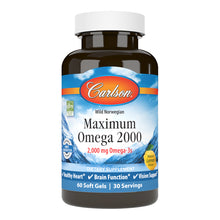
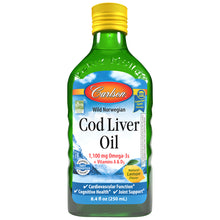
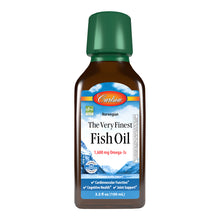
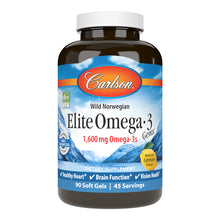
Lastly, never underestimate the power of supplements. Vitamins A, C, and D; omega-3s; zinc; magnesium; B complex vitamins; and herbs like curcumin; elderberry; and green tea, which all support a healthy immune system.
Wishing you less stressful times ahead!