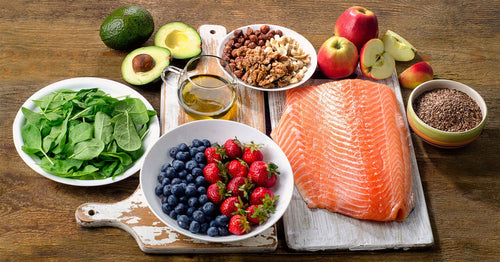

February is National Heart Month so let’s give ourselves some extra love and focus on protecting that magnificent heart of ours! In an era where cardiovascular disease remains a leading cause of mortality globally in men and women, the search for effective strategies to bolster heart health is so important. Adopting a plant-based diet has been consistently associated with various heart health benefits, and with the integration of plant-based DHA and vitamin D3 there are enhanced cardioprotective effects.
Causes of Heart Disease
Heart disease is very complex and can be the result of many different factors such as diet, smoking, alcohol consumption, exercise, weight, stress, medications, pollutants, and genetic predispositions, and in many cases, it can be minimized and controlled through certain lifestyle changes such as dietary modifications.
Eating a Heart Healthy Diet
The modern diet is often packed with processed foods and saturated fats instead of nutrients that promote cardiovascular health. A plant-based diet provides important vitamins and minerals, fiber, and phytochemicals while also being low in saturated fats and cholesterol. The USDA (United States Department of Agriculture) recommends keeping our intake of saturated fats (found in fast foods, convenience foods, meats, dairy, etc.) to no more than 7% of daily calories to limit our risk of heart disease. The Mayo Clinic states that a diet rich in soluble fiber can help keep LDL or “bad cholesterol” in check. The AHA (American Heart Association) recommends incorporating omega-3 rich fish, like salmon, tuna, and sardines into our diet at least twice a week for heart health benefits.
Plant-Based Diet Studies
Studies have found an inverse relationship between plant-based dietary patterns and the incidence of coronary heart disease. A more recent study published in the Journal of the American Heart Association in 2021 found “eating a plant-centered diet in young adulthood lowered the risk in middle age for heart attack, stroke, heart failure, and several other cardiovascular conditions.”
This Coronary Artery Risk Development in Young Adults (CARDIA) study analyzed diet and cardiovascular disease occurrence in 4,946 adults, ages 18 to 30. Yuni Choi and her team found that, "Those who ate a more beneficial, plant-centered diet, with fewer foods considered adverse, were 52% less likely to develop cardiovascular disease during about 30 years of follow-up. Those whose diets improved the most as they got older were 61% less likely to develop cardiovascular disease than those whose diets worsened the most.”
Another study was done in 2021 where “researchers analyzed the diets of 123,330 women enrolled in the Women's Health Initiative who were scored on their adherence to eating foods considered part of the "Portfolio Diet," already known to lower "bad" LDL cholesterol.” This study found eating plant-based foods lowered cholesterol levels and reduced the risk of heart disease in postmenopausal women who were between 50 and 79. They were followed for 15 years, and the ones “that ate the most of these foods were 11% less likely to develop cardiovascular disease of any kind, 14% less likely to develop coronary heart disease, and 17% less likely to develop heart failure.”
Supplements That Support Heart Health
Boosting one’s heart health beyond a more plant-based diet with DHA and vitamin D3 supplementation can be beneficial for heart health. Omega-3s help maintain a healthy, stable heart; healthy blood vessels and circulation; arterial wall elasticity; and healthy triglyceride levels already within the normal range. Vitamin D3 is important for cardiac function and arterial health. Previously, DHA and vitamin D3 were traditionally from animal or fish sources; however, recent advancements and technologies have allowed for sourcing of plant-based algal-derived alternatives.
Carlson offers plant-based DHA in liquid or soft gel form and plant-based vitamin D3 in convenient liquid drops for both adults and babies. The babies' formula provides 400 IU (10 mcg) of vitamin D3 in a single drop, the recommended daily intake of the AAP (American Academy of Pediatrics).
The synergistic effect of a plant-based diet enhanced with algae DHA and vitamin D3 can have many benefits for cardiovascular and overall wellness.