Heart disease is often framed as a “later in life” problem. In reality, early changes in blood vessels and cardiovascular health can begin in childhood and adolescence. Starting young gives a massive edge, and small consistent improvements in movement, food, supplements, sleep, stress, and substance use help reduce risks now and later in life.
Teen and young adult cardiovascular health concerns are rising, especially with ultra-processed diets and more sedentary lifestyles.
- Be sure to “Know Your Numbers” and know your family health history. (American Heart Association (heart.org): Life’s Essential 8; American Academy of Pediatrics (aap.org): Teen health and screening guidance).
- Blood pressure should be checked starting in childhood during yearly physicals. For teens, clinicians can use age/height percentiles. Young adults should aim under 120/80 mmHg just like adults.
- Lipid screening can begin once at ages 9–11 and again at 17–21 years, and sooner or more often if overweight or a strong family history.
- BMI is a screening tool as is waist-to-height ratio.
- If overweight/obese or with risk factors (family history, etc), screen glucose and A1c levels.
Lifestyle habits that move the needle include movement, food, supplements, sleep, stress, and substances.
- Aim to move most days for at least 60 minutes/day of moderate-to-vigorous activity (including strength training 2-3 days/week).
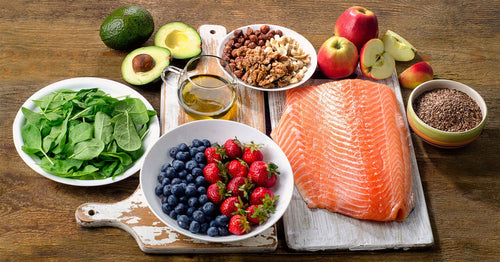
- Build most meals around plants (vegetables, fruit, legumes, nuts, seeds, whole grains), choose healthy fats (olive oil, avocado, nuts; fish 2x/week), fiber intake target is 25–35 g/day, limit ultra-processed foods, sugary drinks, excess saturated fat, high-sodium meals, and hydrate mostly with water (keep energy drinks and sodas rare).
- Sleep is a performance enhancer and teens should aim for 8–10 hours/night, and young adults 7–9 hours.
- For stress and heart health, incorporate short daily practices (breathwork, mindfulness, walks outside), and time with friends.
- Nicotine (smoking or vaping) damages vessels and increases heart issues. Quitting early pays off immediately
- For those over 21, keep alcohol consumption light and occasional or choose none.
- Stimulant-heavy “pre-workouts” and energy drinks can increase heart issues so avoid these especially for those with any heart symptoms.
There are many cardio-protective compounds to choose from and incorporate into a daily routine. For teens, be sure to involve a parent/guardian and clinician before starting supplements. Also look for third-party tested products.
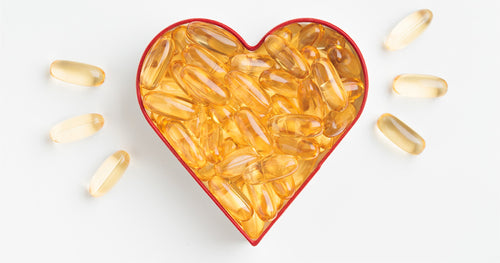
- Omega-3s (EPA/DHA): Many cardiovascular benefits of fish oil include promoting healthy blood clotting, supporting normal heart rhythm, promoting healthy blood triglycerides (circulating blood fats), supporting normal blood pressure, and promoting blood vessel health.
- Magnesium: This mineral plays an essential role in maintaining healthy blood vessels and supporting overall cardiovascular health.
- CoQ10: is an important antioxidant and fat-soluble vitamin. CoQ10 is a key component of the electron transfer chain involving ATP (energy) production. It is concentrated in our muscle cells and highly concentrated in our heart muscle.
- D3 & K2- Research over the past several years has shown how valuable and necessary vitamin K is for adults as well as children in supporting healthy cardiovascular function and promoting healthy blood flow by maintaining vascular elasticity. Vitamin D3 is important for calcium transport and absorption to direct calcium to the bones and teeth versus the arteries.
- Vitamin E- is an important antioxidant that protects our cardiovascular tissues, arteries and blood vessels. It has emerged as a potent nutrient to balance inflammation.
- Lycopene-is a red carotenoid that supports healthy cardiovascular function and helps protect against free radical damage.
- Soluble fiber-is another very important heart healthy nutrient. There are several studies showing that “fiber can help protect our heart through lowering cholesterol, reducing the risk of stroke, and helping with maintaining a healthy weight or with weight loss”. Start low, increase slowly, drink water.
- Taurine- is a conditionally essential amino acid that supports cardiovascular health, promotes nerve and muscle function, and helps our body better absorb nutrients. It also holds antioxidant properties.
- Arginine- is extremely important for many body functions and is usually only naturally present in low quantities. L-Arginine is a precursor of nitric oxide, which is necessary for the healthy dilation of blood vessels, circulation, and blood flow.
By the late teens and twenties, daily choices are already shaping one’s future cardiovascular risk. Build healthy lifestyle basics, and use supplements as targeted support with quality and safety in mind. Your arteries are listening now, and your future heart will thank you!