
With the increasing popularity of organic food, many people wonder if it's better for our health. While some studies suggest that organic produce may contain higher levels of certain nutrients, others claim that the nutritional differences between organic and conventionally grown food are negligible.
However, one thing is clear: organic food is grown without the use of synthetic pesticides and fertilizers, and other harmful chemicals which can have negative effects on both human health and the environment. Additionally, organic farming practices prioritize soil health and biodiversity, creating a more sustainable and resilient food system.
Organic Foods: What We Need To Know
According to the Environmental Working Group (EWG), approximately 74% of non-organic fruits and vegetables contain at least one, but often more than one toxic pesticide. Pesticides are used to kill insects that are drawn to crops.
The Mayo clinic reports that potential benefits of organic food include high levels of antioxidants, and higher levels of omega-3s in organic meat, eggs, and dairy products. This is due to the requirements of feeding farm animals grass and alfalfa. Cadmium is a toxic chemical found in the soil that has been exposed to synthetic fertilizers. Organic farming of grains has a much lower level of cadmium than their conventional counterparts.
While many people think that washing or peeling produce will eliminate the pesticides, picture a small plane spraying a crop. Those chemicals go into the ground and the crops absorb them up through their roots. While peeling and washing can reduce harmful chemicals, it cannot eliminate them.
Now, let’s talk about the cost of organic food. Yes, it is more expensive, but there are ways to save while shopping organic. Start with the EWG shoppers guide. You can download the app and always have the latest update to the “Dirty Dozen,” a list of the top 12 most heavily sprayed crops, and choose to purchase those organic.
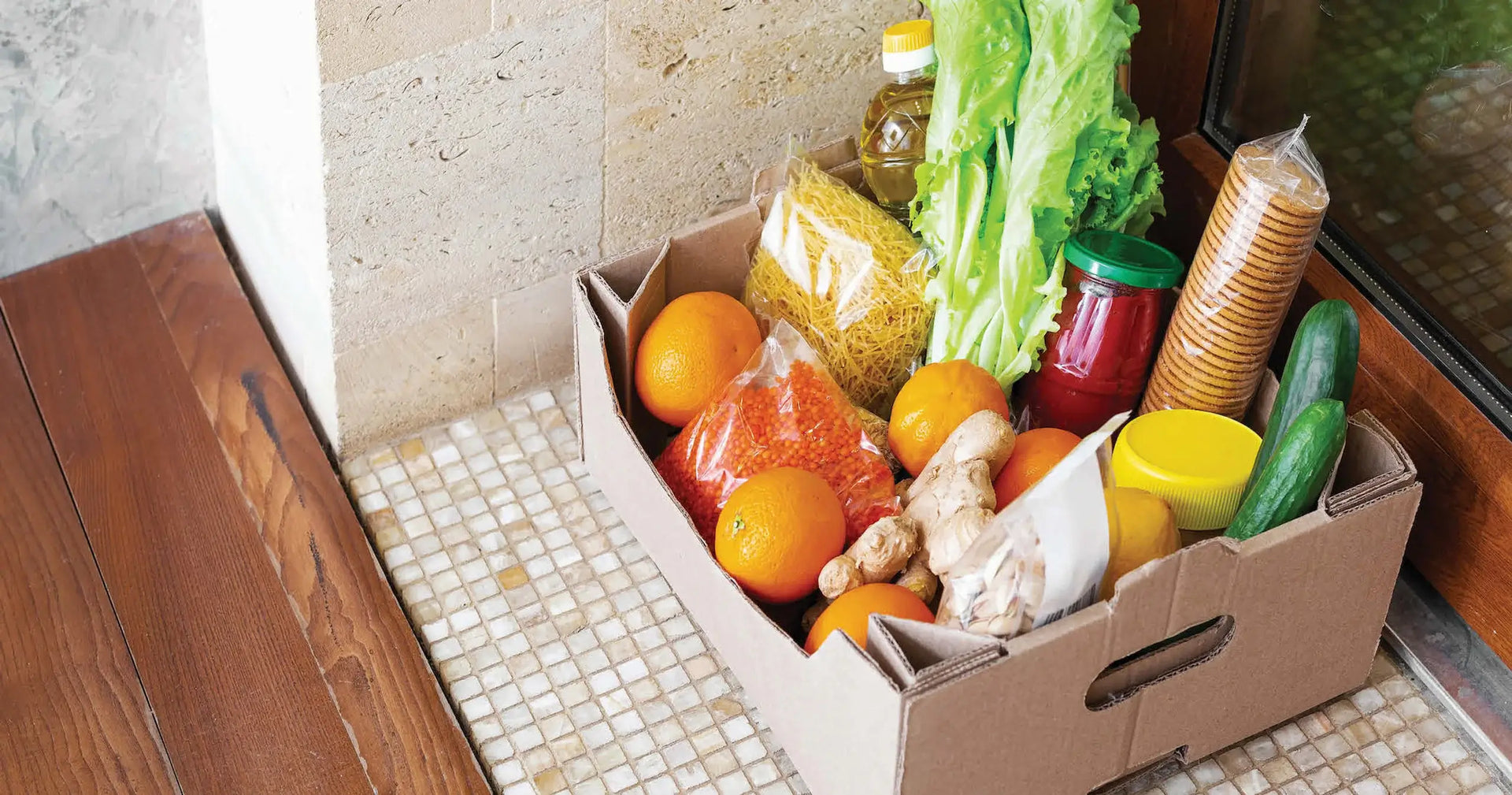
Also, the “Clean Fifteen” is a list of the lowest sprayed crops that you can purchase non-organic, saving even more money. Home delivery services like Misfit Foods and Imperfect Foods offer weekly home deliveries of organic foods that are greatly reduced in price because they buy up foods that markets don’t want due to the size, shape, or appearance.
So, whether you're concerned about your own health, the environment, or supporting local farmers, choosing organic food is a smart and responsible choice.
And let's not forget about the taste! Organic foods often have more vibrant flavors and textures than their non-organic counterparts. So, whether you choose to go organic or not, it's always good to know what you're putting on your plate!