



When it comes to staying well and feeling your best, there’s no substitute for regular exercise and a wholesome, nutrient-dense diet. But few diets provide adequate amounts of every vitamin, mineral, antioxidant, healthy fat, and other vital nutrient necessary for maintaining good health. That’s why nutritional supplements are an essential component of a healthy lifestyle. Everybody is different, but a few key supplements will benefit virtually everyone.
Start with a Multivitamin
Taking a daily multi ensures you’re getting a wide range of vitamins and minerals. And most experts agree that certain groups will benefit from a multi, including people over 60, women of childbearing age, women who are pregnant or breastfeeding, and strict vegetarians. A multivitamin is also customizable. You may opt to choose a formula with omega-3s if you’re looking for additional heart health benefits. If you want to support your eyes, choose a multi with lutein. You’ll also find multivitamins specially formulated for seniors, children, men, women, and more.
Take Additional Vitamin D
You’re probably familiar with vitamin D’s role in maintaining healthy bones, but research continues to show that this vitamin is critical for nearly every aspect of health. Look for a supplement containing vitamin D3 (cholecalciferol), which is the most bioavailable form and the same form of vitamin D that the body produces in response to sunlight. Vitamin D3 is significantly more potent in raising and maintaining vitamin D concentrations in the blood than vitamin D2. Vitamin D3 is also converted into its active form 500 percent faster than D2.
Consume the Right Fats: Omega-3s
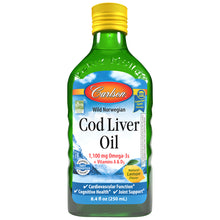
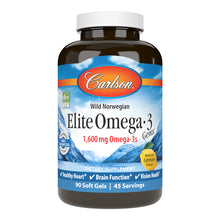
The omega-3 fatty acids in fish like salmon and tuna enhance health in a variety of ways. Known as polyunsaturated fatty acids, omega-3s play a critical role in promoting heart, brain, vision, and joint health. It’s important to have the proper ratio of omega-3 to omega-6 fats in the diet. While omega-6s are also essential for good health, the typical American diet contains 14 to 25 times more omega-6 fatty acids than omega-3s. Most of us need an omega-3 supplement to balance these fats. Look for a high-quality omega-3 product that has been third-party tested for freshness, potency, and purity.
Encourage Good Bacteria with Probiotics
Speaking of the importance of balance, this also holds true for the bacteria in the gut. The large intestine is home to a complex and diverse community of both good and bad bacteria. Probiotics—the good bacteria—aid nutrient absorption and support digestion. Ideally, the beneficial bacteria should outnumber the bad bacteria. But a poor diet, stress, and other factors can upset this balance. Probiotics also support a healthy immune system. Look for a product that contains a variety of different bacteria strains, including L. acidophilus, B. longum, B. bifidum, and more.
Combined with a well-balanced diet and regular physical activity, these four basic supplements will provide a solid foundation for good health.