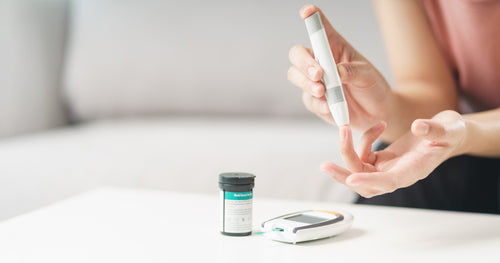
It can be tricky to manage blood sugar levels. You may be searching for natural ways to support your health, during the “sugar season” that spans the holidays from Halloween to the Easter/Passover season. Among the array of options available, cinnamon stands out as a flavorful and potentially beneficial spice. Known for its warm aroma and sweet taste, cinnamon has been used for centuries in both culinary and medicinal contexts. Recent studies suggest that it might also play a role in controlling blood sugar levels. I’d like to describe how cinnamon can help manage blood sugar, according to scientific research, and share some practical tips on incorporating cinnamon into your diet.
What is Cinnamon?
Cinnamon is derived from the inner bark of trees belonging to the Cinnamomum genus. It is one of the oldest spices known to humanity, with records of use dating back thousands of years. There are two main types of cinnamon: Ceylon (often referred to as "true" cinnamon) and Cassia. While both types offer potential health benefits, they differ in flavor and chemical composition. The active compounds responsible for cinnamon's health-promoting properties include cinnamaldehyde, cinnamic acid, and various essential oils.
The Connection Between Cinnamon and Blood Sugar Control
The interest in cinnamon's effect on blood sugar control stems from its potential ability to mimic insulin's role in glucose metabolism. Insulin is a hormone crucial for regulating blood glucose levels. By enhancing insulin sensitivity or mimicking its activity, cinnamon may help lower blood sugar levels naturally. This makes it an appealing option for those looking to complement traditional diabetes management strategies.
Key Research Studies on Cinnamon's Impact on Blood Sugar Levels
Several studies have investigated the effects of cinnamon on blood sugar levels:
- A study published in Diabetes Care (2003) found that consuming 1 to 6 grams of cinnamon per day reduced fasting blood glucose levels by up to 29% in individuals with type 2 diabetes.
- A meta-analysis published in the Journal of Medicinal Food (2011) concluded that cinnamon consumption significantly reduces fasting blood glucose levels, although results varied based on dosage and duration.
- Research published in Nutrition Research (2012) demonstrated that cinnamon improved insulin sensitivity in healthy adults after just two weeks of supplementation.
These studies highlight cinnamon's potential as a complementary approach to managing blood sugar levels, though more research is needed to fully understand its long-term effects.
How Does Cinnamon Help Manage Blood Sugar?
Cinnamon appears to influence blood sugar through several mechanisms:
- Enhancing Insulin Sensitivity: Cinnamon may improve cells' responsiveness to insulin, allowing them to better absorb glucose from the bloodstream.
- Slowing Carbohydrate Breakdown: Some studies suggest that cinnamon slows down the breakdown of carbohydrates in the digestive tract, leading to a slower rise in blood sugar after meals.
- Mimicking Insulin Activity: Certain compounds in cinnamon may act similarly to insulin, facilitating glucose uptake into cells.
While promising, it's important to note that these effects can vary among individuals and depend on factors such as the type and amount of cinnamon consumed.
Recommended Ways to Incorporate Cinnamon into Your Diet
Incorporating cinnamon into your daily routine can be simple and enjoyable:
- Sprinkle on Breakfast: Add a dash of cinnamon to oatmeal, yogurt, or smoothies for a flavorful start to your day.
- Brew with Tea or Coffee: Enhance your morning beverage by adding a stick of cinnamon while brewing tea or coffee.
- Include in Baking: Use ground cinnamon in baked goods like muffins, cookies, and bread for added warmth and sweetness.
- Season Savory Dishes: Experiment with adding cinnamon to savory dishes such as curries or stews for a unique twist.
When using cinnamon for health purposes, opt for Ceylon over Cassia when possible due to its lower coumarin content—a compound that can be harmful in large amounts.
Potential Side Effects and Considerations for Using Cinnamon
While generally safe when consumed in moderate amounts as part of food, excessive intake of Cassia cinnamon may increase risk of liver damage due to its higher coumarin content. Individuals taking medication for diabetes should consult their healthcare provider before using cinnamon supplements, as it could enhance the effects of medication and lead to hypoglycemia (low blood sugar). Additionally, those with allergies or sensitivities should exercise caution.
Cinnamon offers a delicious way to potentially aid in managing blood sugar levels alongside other lifestyle changes and medical treatments. Its ability to enhance insulin sensitivity and slow carbohydrate digestion makes it a compelling choice for those seeking natural remedies. However, it's crucial to approach its use thoughtfully—considering dosage, type of cinnamon, and individual health conditions—to maximize benefits while minimizing risks. As always, consulting with a healthcare professional before making significant dietary changes is advisable.
By embracing the sweet benefits of cinnamon responsibly, you can add both flavor and potential health advantages to your life.