
February is National Heart Month so let’s give ourselves some love and focus on protecting that magnificent heart of ours. Sadly, heart disease is the number one cause of death in the US for both men and women. The term “heart disease” encompasses coronary artery disease, atherosclerosis, hypertension, atrial fibrillation, arrhythmias, angina, myocardial infarction, and others. It’s complex and can be the result of many different factors such as diet, smoking, alcohol consumption, exercise, maintaining proper weight, stress, medications, pollutants, and genetic predispositions. We can support a healthy heart by making lifestyle changes.
Maintaining Heart Health
- Don’t smoke - One of the main risk factors with heart disease is smoking. If you smoke, think about quitting. There are programs available to assist with quitting, along with items like gums, patches, and medications. Talk to your health practitioner to discuss the best fit for your success.
- Alcohol in moderation - The American Heart Association (AHA) recommends if you drink alcohol, it should be in moderation. This equates to one drink per day for women and 1-2 per day for men. (1 drink = 12 oz. of beer, 4 oz. of wine, or 1 oz. of liquor).
- Decrease saturated fats and salt - the United States Department of Agriculture (UDSA) recommends keeping saturated fat intake (found in fast foods, convenience foods, meats, dairy, etc.) to no more than 7% of daily calories. Also, excess salt / sodium from commercially processed and prepared foods can negatively impact our health. Keeping an intake of less than 2,300 mg (approximately 1 tsp.) per day is recommended. Healthier versions to choose from include Celtic Sea Salt, Himalayan Pink Salt, or herbs and spices.
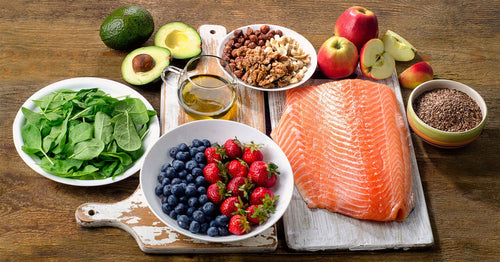
- Add more of these into your diet - The Mayo Clinic states that a diet rich in soluble fiber can help lower our level of LDL or “bad cholesterol.” Rich sources of soluble fiber include beans, oats, apples, pears, etc. Add in omega-3-rich fish (salmon, tuna, sardines)into your diet at least twice a week as suggested by the AHA. Add in some dark chocolate (70% or higher) – in moderation. It contains heart-healthy flavonoids.
- Drink up - The AHA suggests drinking 1-3 cups of green tea per day for optimal heart health.
- Heart healthy supplements - Vitamin E is an important antioxidant that promotes cardiovascular health. CoQ10 is another important antioxidant and fat-soluble vitamin that our bodies produce, and it is highly concentrated in our heart muscle. Omega-3s are also beneficial for supporting heart health. Vitamin D plays an important role in heart health and healthy calcium transport. Vitamin K supports healthy cardiovascular function and promotes healthy blood flow. Magnesium is a mineral that promotes relaxation and heart health. (Note: for those who may be on heart medications, check with your practitioner before you introduce new nutritional supplements into your diet.)
- Be active and maintain a healthy weight - Exercise is essential for good heart health. No matter how much you weigh, it has been noted by the AHA that sitting for long periods of time could shorten one’s lifespan, so get up and move around as much as possible throughout the day. “The Mayo Clinic reports that interval training (alternating intense physical activity with lighter activity) can boost the number of calories you burn while working out.” Try this with walking, cycling, jogging, etc.
- Keep stress in check - Yoga can relax and relieve stress and can have positive effects on heart health. Walking in nature, listening to music, doodling, journaling, and more can also provide a break during the day and be beneficial for stress relief and mental health.
- Adopt a pet - Pets keep us company, provide unconditional love, and help lower stress levels.
- Keep a positive attitude and LAUGH - According to the AHA, research suggests laughing can support heart health... laughter really is some of the best medicine.
- Brush and floss - Research suggests the bacteria that causes gum disease can also raise risk of heart disease. So, keep those pearly whites clean.
- Regular check-ups with your practitioner - Keep on top of your levels and labs. Your heart will thank you.