


Vitamin D has many functions in our body. It maintains normal calcium levels necessary for bone health and is essential for the absorption and utilization of both calcium and phosphorus. Vitamin D also helps calcification of bones and teeth in children, helps maintain heart and muscle health, and supports healthy immune function. Some foods contain vitamin D, but very few have optimal levels of the vitamin. Let’s take a look at some of the foods.
Foods That Contain Vitamin D
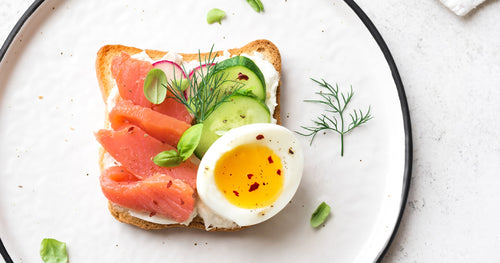
Fatty fish is a good source of vitamin D. Using 3.5 ounces as a serving size, this is how various fish stack up. Farmed salmon contains 250 IU (6.25 mcg) of vitamin D, while wild-caught salmon contains a whopping 988 IU (24.7 mcg). Halibut contains 384 IU (9.6 mcg), while mackerel contains 360 IU (9 mcg). One 3.8-ounce can of sardines has 177 IU (4.425 mcg) of vitamin D, while canned tuna has 268 IU (6.7 mcg) for 3.5 ounces. One thing to keep in mind is that canned tuna contains high levels of mercury. Choose wisely when buying canned tuna and look for wording on the label such as “mercury tested” or “free from mercury.” The brands that I buy for my family include Safe Catch and Wild Planet.
One typical egg yolk contains 37 IU (0.925 mcg) of vitamin D. This level can vary depending on how much sun exposure the chicken has had, and if their feed was fortified. Pasture-raised chickens that roam outside can have three to four times more vitamin D than chickens who spend most or all of their lives in cages. That level can go even higher if their feed was fortified in addition to sun exposure.
Cod Liver Oil is an excellent source of vitamin D and is also high in omega-3 fatty acids. One teaspoon of cod liver oil delivers 400 IU (10 mcg) of vitamin D. If taking cod liver oil in liquid form is unappetizing, it's also available in soft gel form. As with canned tuna, source your cod liver oil from companies that do third-party testing and guarantee the freshness, potency, and purity of their product. Impure fish oils are not health promoting.
Some foods such as milk, cereal, and orange juice are fortified with vitamin D2, which is less effective at raising blood levels. For that reason, these typically aren't the best options to provide us with optimal levels of vitamin D.
Meeting recommended vitamin D levels with food alone may be challenging. With that said, if you eat wild-caught salmon, mercury-free tuna, eggs from chickens that roamed freely outdoors, and take a teaspoon of cod liver oil daily, while getting daily sun exposure yourself, you should have a good head start on meeting your daily vitamin D requirements.

Featured Articles


